


-
 View More
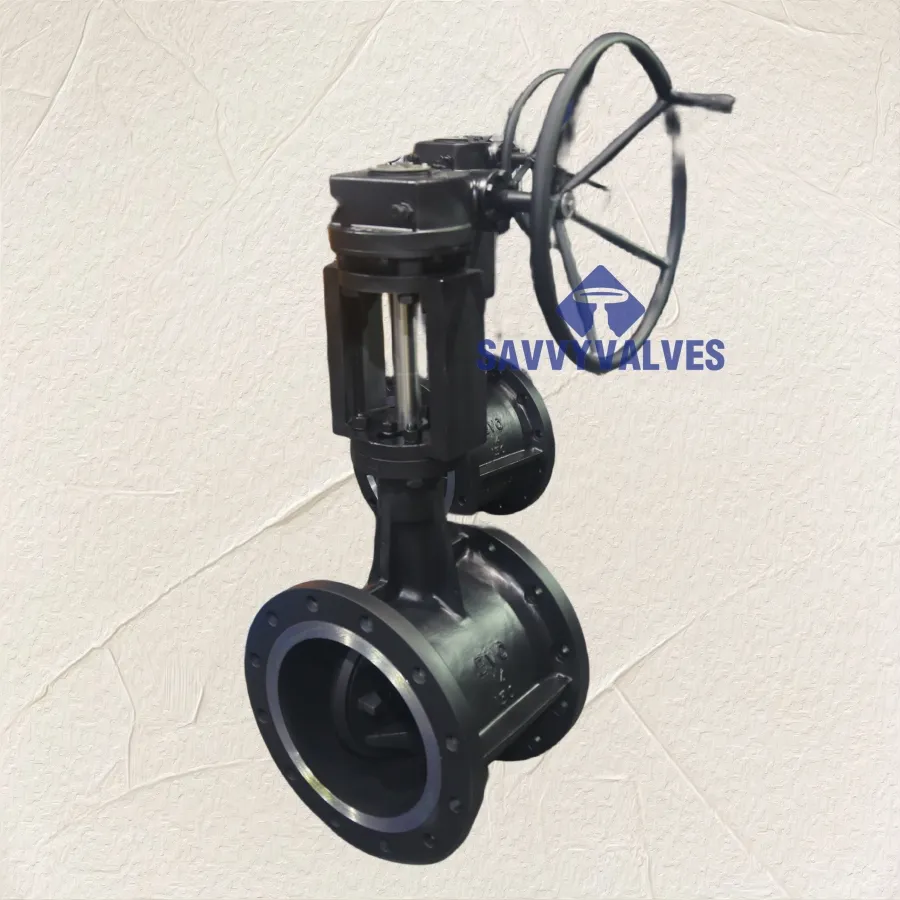
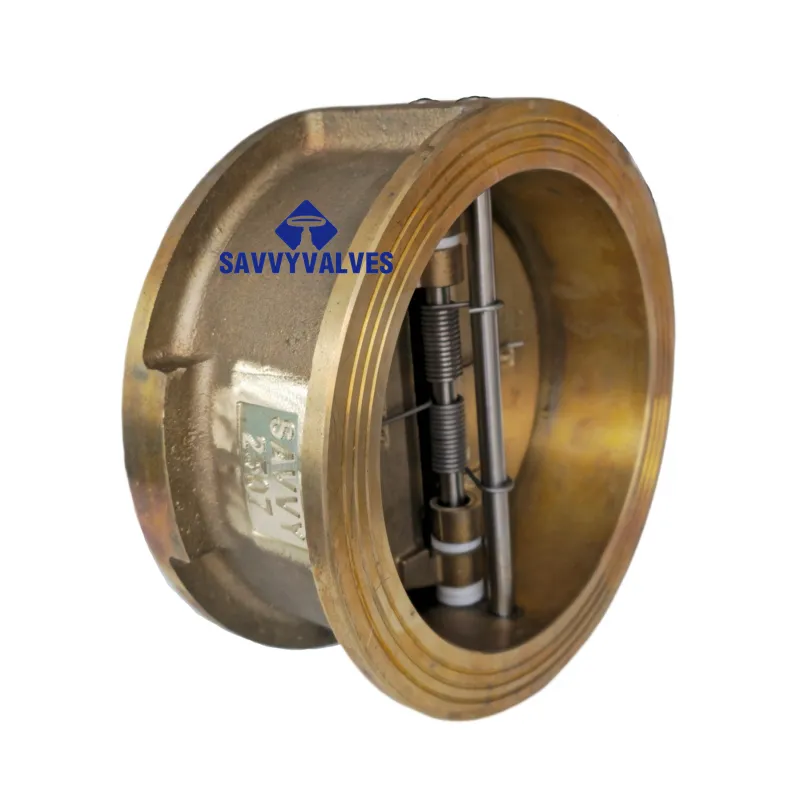
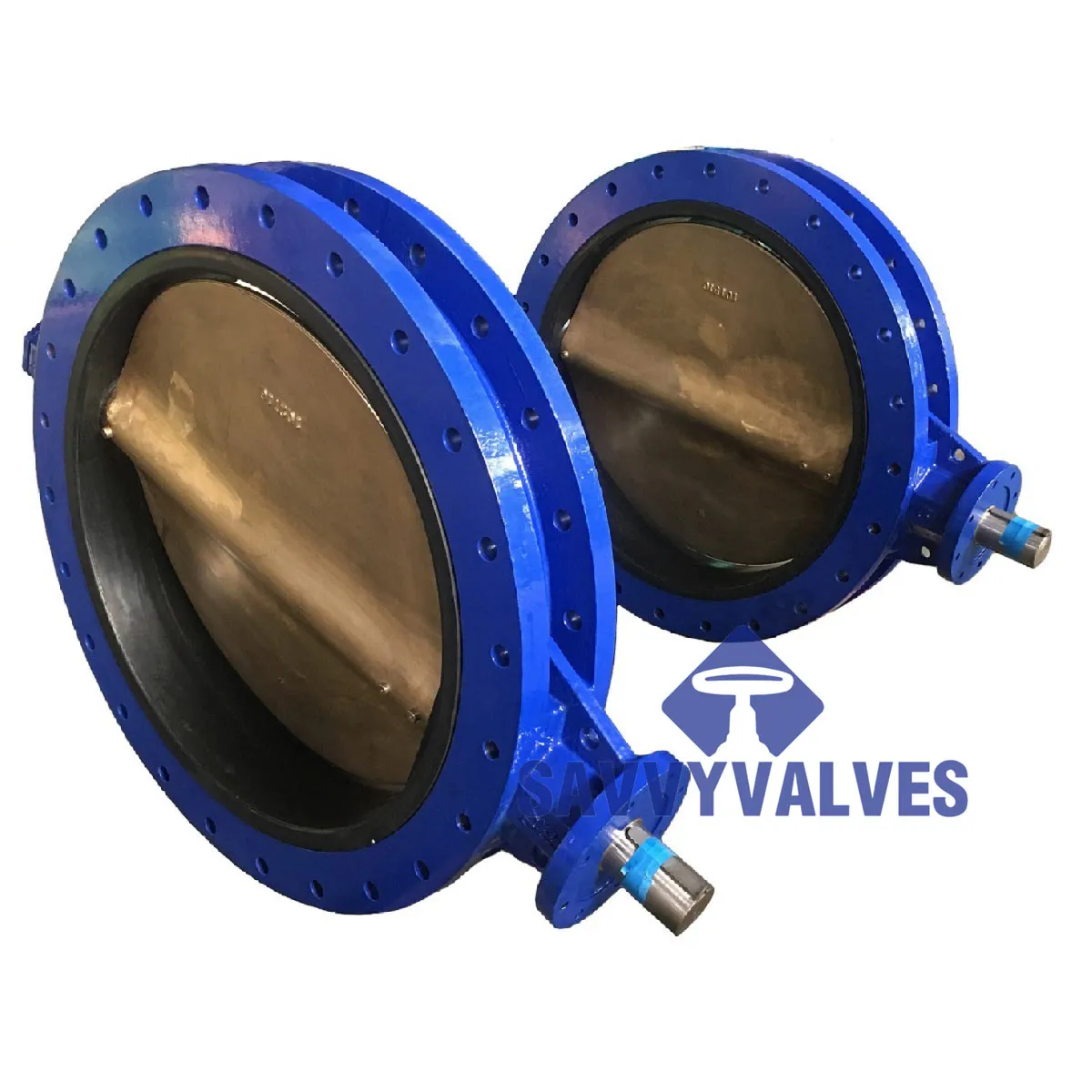
Double flanged butterfly valves and their derivatives (including butterfly valve double flange , double flange butterfly valve , butterfly valve double flange type , and double flanged short pattern butterfly valve ) are recognized as an industry standard for critical flow control in marine, petrochemical, water supply and metallurgy sectors. This comprehensive guide explores their technological e
-
 View More
Bronze gate valves, 1/2 BSP gate valves, and 1 OS&Y valves are key solutions in the manufacturing industry, specifically within General equipment manufacturing industry and Valve and plug manufacturing. This article explores how SAVVY VALVES CO.,LTD. supports professionals with durable, high-performance products, and explains why these products are an ideal choice for businesses in these sectors.
-
 View More
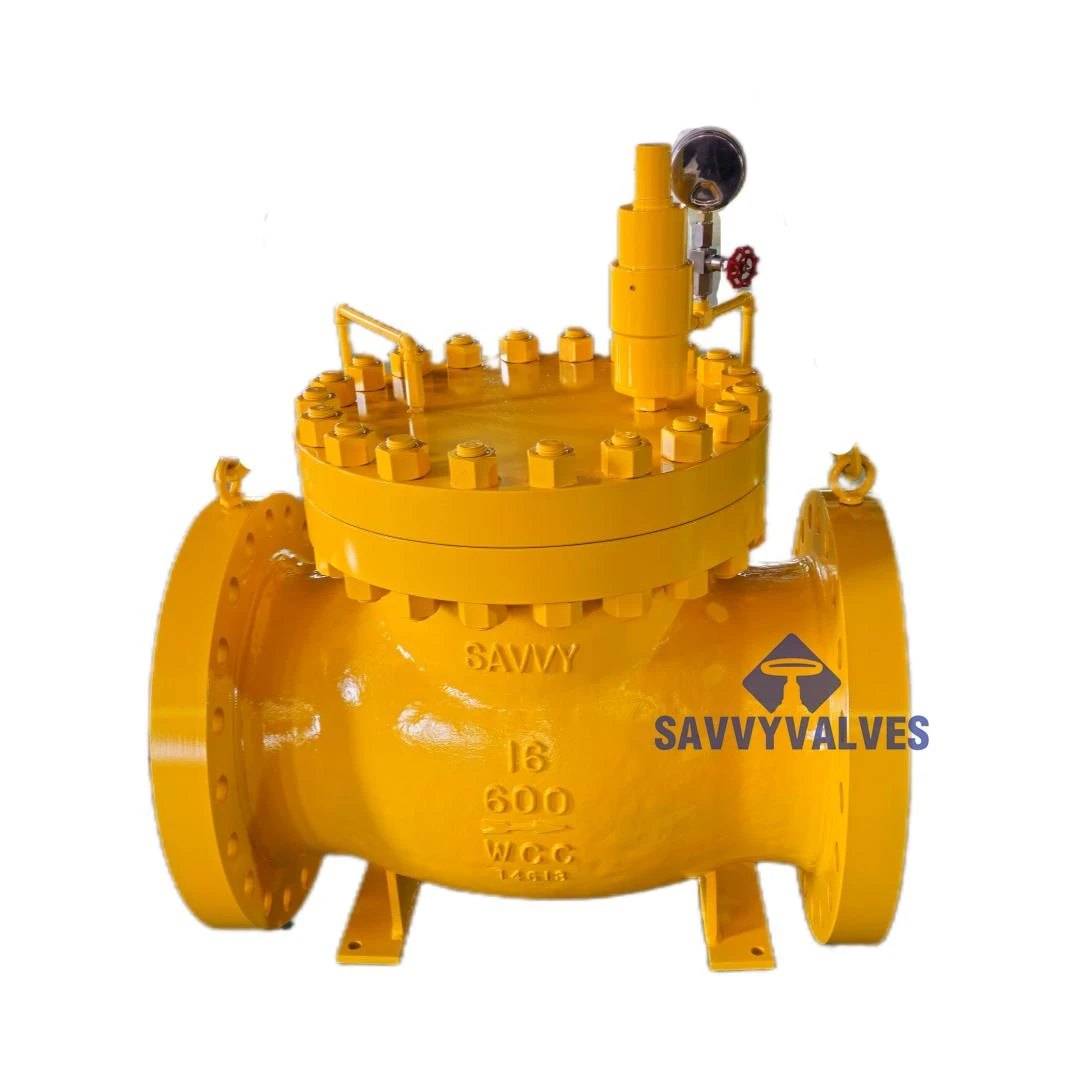
Introduction to High-Performance Check Valves In critical industrial applications, the reliability and integrity of fluid control systems are paramount. Components must withstand extreme conditions, including high pressure, corrosive media, and fluctuating temperatures, while ensuring unidirectional flow and preventing backflow. The 2500LB LTCS Forged Steel Swing Check Valve stands as a testament
-
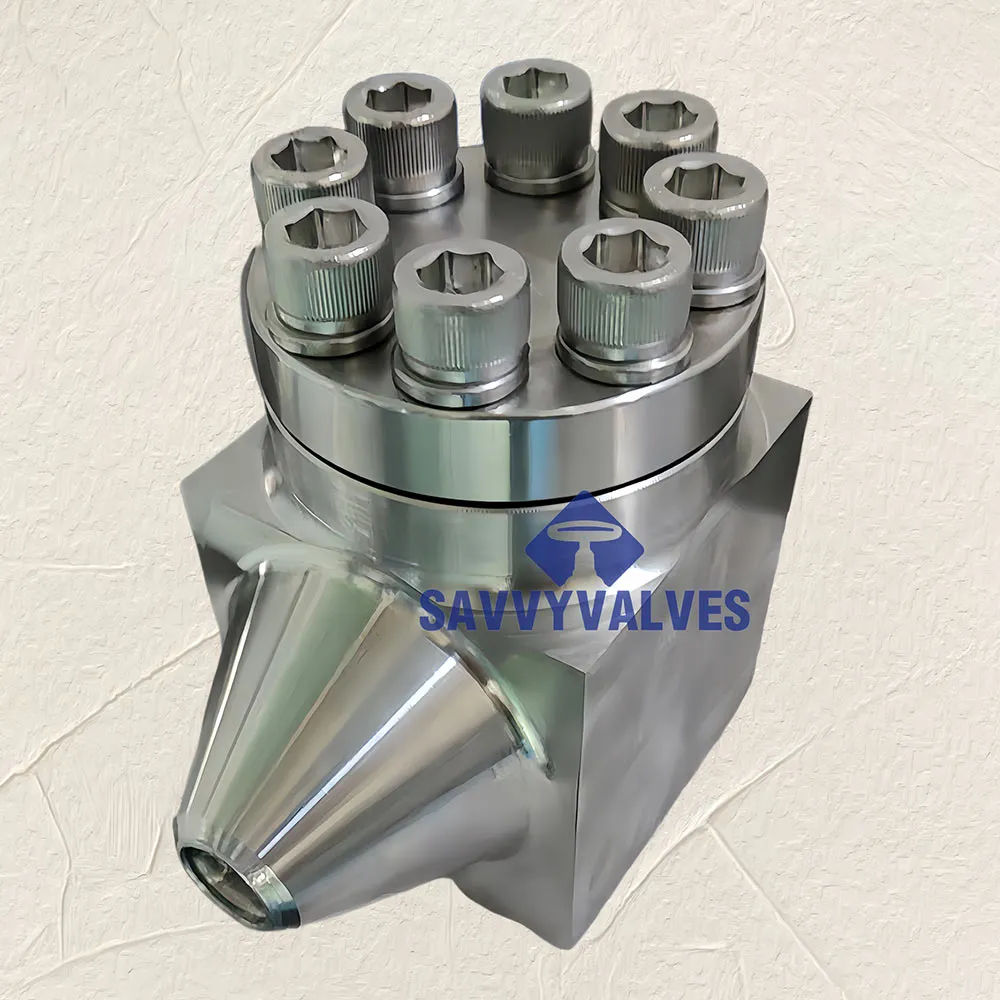
In industrial fluid control systems, especially for high-temperature and high-pressure scenarios like thermal power plants and petrochemical facilities, triple offset butterfly valve , high temp butterfly valves , and welded butterfly valve are critical components. SAVVY VALVES CO.,LTD. specializes in producing high-performance valves, including fabricated triple offset butterfly valves for therma
-
Gate valves applications and uses span across critical industries—from oil and gas to municipal water treatment—where reliable on-off flow control, minimal pressure drop, and long service life are essential. As a global leader in valve engineering, Savvy Valves – Engineering Excellence in Valve Solutions for Global Industries specializes in designing and manufacturing high-performance gate valves
-
In the world of plumbing, HVAC, and industrial pipelines, flexibility and durability are essential. Rubber expansion joint s are designed to absorb vibrations, thermal expansions, and movements in the pipeline, offering superior protection and extending the lifespan of your system. Whether you need a rubber expansion joint for pipe or a flexible rubber expansion joint for specialized applications,
-
 Marine U Section Double Flange Butterfly Valve - SAVVY VALVES_Precision Engineering,Durability2026-04-02 12:06Introduction The Marine U Section Double Flange Butterfly Valve represents a pinnacle of engineering
 -
 Detailed Introduction To Butterfly Valves2026-04-02 11:58A butterfly valve is a quarter-turn rotational motion valve that controls fluid flow by rotating a d
 -
 Reliable Plumbing One Way Check Valve - Prevent Backflow, Protect Systems2026-04-02 10:58Industry Trends in Flow Control and Backflow Prevention The landscape of B2B plumbing and fluid mana


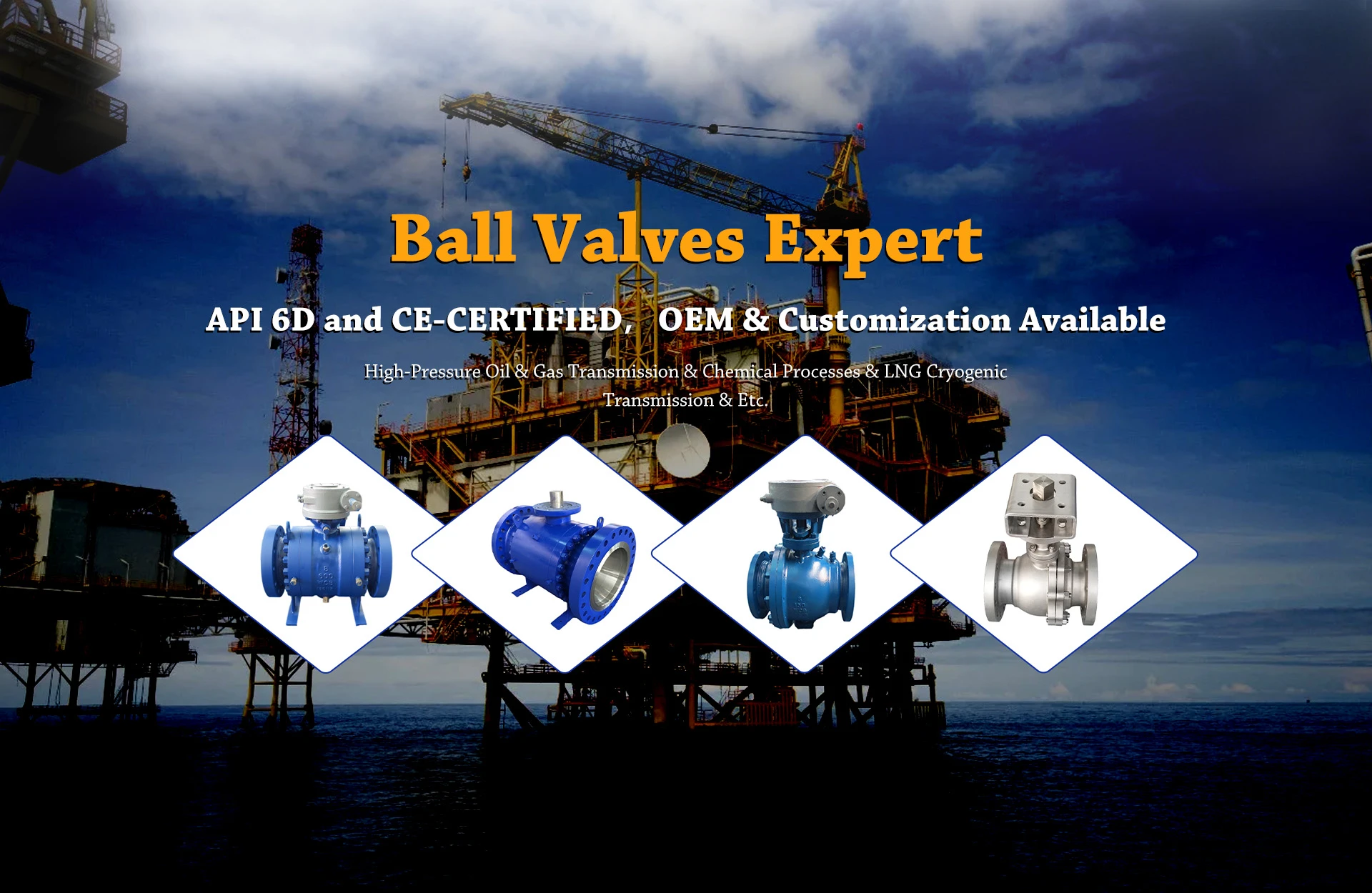
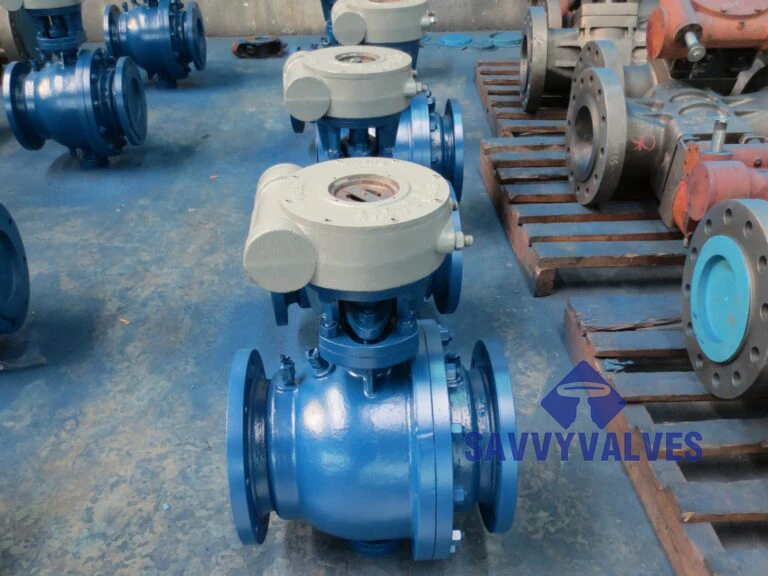
Introduction to Trunnion Ball Valves The 3 piece trunnion ball valve represents a significant advancement in flow control technology for demanding industrial applications. Unlike standard ball valves, trunnion mounted ball valves feature mechanical anchoring at both the top and bottom of the ball, providing enhanced stability and sealing capabilities under extreme pressure conditions. This design innovation has made them indispensable in oil and gas, petrochemical, and power generation industries where reliability and safety are paramount. Recent studies by the Fluid Controls Institute indicate a 12% annual growth in the trunnion mounted ball valve market, driven by increasing energy infrastructure projects and stricter safety regulations (Fluid Controls Journal, 2023). The unique three-piece construction allows for easier maintenance without pipeline removal, significantly reducing operational downtime by approximately 40% according to plant maintenance reports. Technical Specifications and Design Features SAVVY VALVES Model: 30″ 600lb 3-Piece Trunnion Ball Valve In Cast Steel SAMPLE SPECIFICATIONS: SIZE: 20″, 30″ RATING: 600LB BODY AND BONNET: ASTM A216 WCB BALL: ASTM A182 F316 STEM: ASTM A182 F316 SEAT: ASTM A182 F316 COLLAR WITH DEVLON INSERT SPRING: INCONEL X-750 ACTUATION: GEAR UNIT View Product Details Material Selection for Trunnion Ball Valves The material composition of a 3 piece trunnion ball valve is critical to its performance. SAVVY VALVES utilizes ASTM A216 WCB carbon steel for body components, providing excellent mechanical strength and corrosion resistance. The ball itself is manufactured from ASTM A182 F316 stainless steel, offering superior resistance to pitting and crevice corrosion in chloride environments. Perhaps the most critical component, the spring mechanism, utilizes INCONEL X-750 which maintains mechanical properties at service temperatures up to 700°C. Pressure-Temperature Ratings Trunnion mounted ball valves are designed to maintain integrity across extreme pressure and temperature conditions. The 600LB rating of our 30″ model corresponds to ASME B16.34 Class 600 specifications, capable of handling pressures up to 1480 psig at ambient temperatures. The graph below illustrates how pressure ratings decrease at elevated temperatures while maintaining safety margins. Parameter Standard 3-Piece Valve Trunnion Design Industry Advantage Max Operating Pressure Class 300 (740 psi) Class 900 (2220 psi) 200% pressure capacity Sealing Technology Single elastomer seal Dual spring-loaded seats Bidirectional sealing Temperature Range -20°C to 180°C -196°C to 650°C Cryogenic to high-temp Torque Requirement High (2500 Nm) Low (750 Nm) 67% reduction Seat Material Options 1-3 choices 7+ specialized materials Wider chemical resistance API Certification API 608 API 6D & API 607 Fire-safe compliance Data compiled from ASME, API, and ISO standards (2023 Revision) Industry Applications and Performance Analysis The versatility of 3 piece trunnion ball valves extends across multiple high-demand sectors. In offshore drilling operations, these valves withstand pressures exceeding 10,000 psi while preventing methane leakage—a critical safety function recognized by API 6DSS standards. Pipeline applications benefit from their full-bore design, maintaining flow efficiency with minimal pressure drop even in large diameter installations. A recent case study in a petrochemical facility demonstrated the operational advantages of trunnion mounted ball valves . By switching to SAVVY VALVES' three-piece design, the plant reduced valve-related shutdowns by 75% and maintenance costs by 60% over a two-year period. The modular construction proved particularly valuable for maintenance teams, enabling critical seal replacements in under 4 hours versus 16 hours for welded valves. Installation and Maintenance Protocols Proper installation of a 3 piece trunnion ball valve requires adherence to specific engineering protocols. Alignment precision is critical—misalignment exceeding 0.5° per foot can increase stem torque by 25% according to ISA 75.08 standards. SAVVY VALVES engineers recommend specialized gasket compression monitoring during installation to ensure optimal sealing surface loading. Maintenance procedures for trunnion mounted ball valves focus on predictive rather than scheduled approaches. Vibration analysis of the actuator assembly provides early detection of potential failures. As documented in Valve World Magazine (2023), facilities implementing this predictive strategy extended valve service life by 300% while reducing spare parts inventory costs by 45%. Technical FAQ: Engineering Aspects of Trunnion Ball Valves Q1: What distinguishes a trunnion-mounted design from floating ball valves? Trunnion-mounted valves feature mechanical anchoring at top and bottom, distributing load across bearings instead of relying solely on seat support. This engineering difference reduces operating torque by 60-70% at high pressures while providing bidirectional sealing capability—a requirement in API 6D pipeline applications. Q2: How does the three-piece construction benefit maintenance? The modular design allows disassembly without disturbing pipeline connections. Technicians can replace seats, seals, and even the ball assembly in situ. Industry studies show this reduces critical valve repair time by 85% compared to welded body designs. Q3: What standards govern trunnion ball valve fire safety? API 607/6FA certifications require valves to maintain sealing integrity after 30 minutes of direct flame exposure at 1400°F. Our valves incorporate metal secondary seals that engage upon primary seal failure, with graphite-based emergency packing systems. Q4: Can trunnion valves handle slurry and abrasive media? Yes, with specialized seat designs. We offer cavity fillers that prevent particulate buildup and coated ball surfaces with 60+ Rc hardness. In mining applications, this extends service life from months to years despite high-solids content. API 6D Appendix F provides testing protocols. Q5: What materials allow cryogenic service? We utilize ASTM A352 LCB/LC3 bodies with deep cryogenic treatment. Seats employ reinforced PTFE composites stable to -320°F. Critical is the extended bonnet design that moves seals away from the cold zone, preventing freeze-lock. Q6: How is fugitive emission control addressed? Compliance with ISO 15848-1 Class AH requirements is achieved through live-loaded stem seals, secondary containment chambers, and graphite-reinforced packing systems. Our 3 piece trunnion ball valve designs consistently test below 50 ppm at both low and high pressure cycles. Q7: What automation interfaces are available? Standard configurations include ISO 5211 mounting pads compatible with pneumatic, hydraulic, or electric actuators. For smart facilities, we offer integrated position sensors meeting SIL 2/3 safety ratings, with Modbus, Foundation Fieldbus, and HART protocol options. Future Trends in Valve Technology The next generation of trunnion mounted ball valves incorporates smart diagnostics technology. SAVVY VALVES' upcoming iSeries will feature embedded sensors that monitor seat wear, torque profiles, and temperature gradients, predicting maintenance needs with 90% accuracy according to prototype testing. This aligns with Industry 4.0 requirements for predictive maintenance in critical infrastructure. Material science advancements are equally transformative. Research published in the Journal of Pressure Vessel Technology (2023) highlights nickel-matrix composite coatings that extend valve service life in erosive environments by 4-5 times. SAVVY's R&D division is currently field-testing ceramic-reinforced seat materials that could potentially extend service intervals beyond 10 years in chemical processing applications. Technical References & Industry Standards API Standard 6D: Pipeline and Piping Valves (25th Edition) https://www.api.org/products-and-services/standards ASME B16.34: Valves - Flanged, Threaded and Welding End https://www.asme.org/codes-standards "Advanced Sealing Technologies in High-Pressure Valves" - Valve World Magazine (2023) https://valve-world.net/technical_papers ISO 5208: Industrial Valves - Pressure Testing of Valves https://www.iso.org/standard/74296.html Fugitive Emission Standards: ISO 15848-1 & EPA Method 21 https://www.epa.gov/fugitive-emissions "Materials Selection for Cryogenic Valve Service" - ASM International (2022) https://www.asminternational.org/materials-resources